Socat_UIDesign
Socat_UIDesign
Socat is a fortune-telling app that combines storytelling, AI companions, and game mechanics to design moments of daily reflection, inspiration, and fun.
Team SoCat Inc.
Year: 2025
Socat_UIDesign
Socat is a fortune-telling app that combines storytelling, AI companions, and game mechanics to design moments of daily reflection, inspiration, and fun.
Team SoCat Inc.
Year: 2025

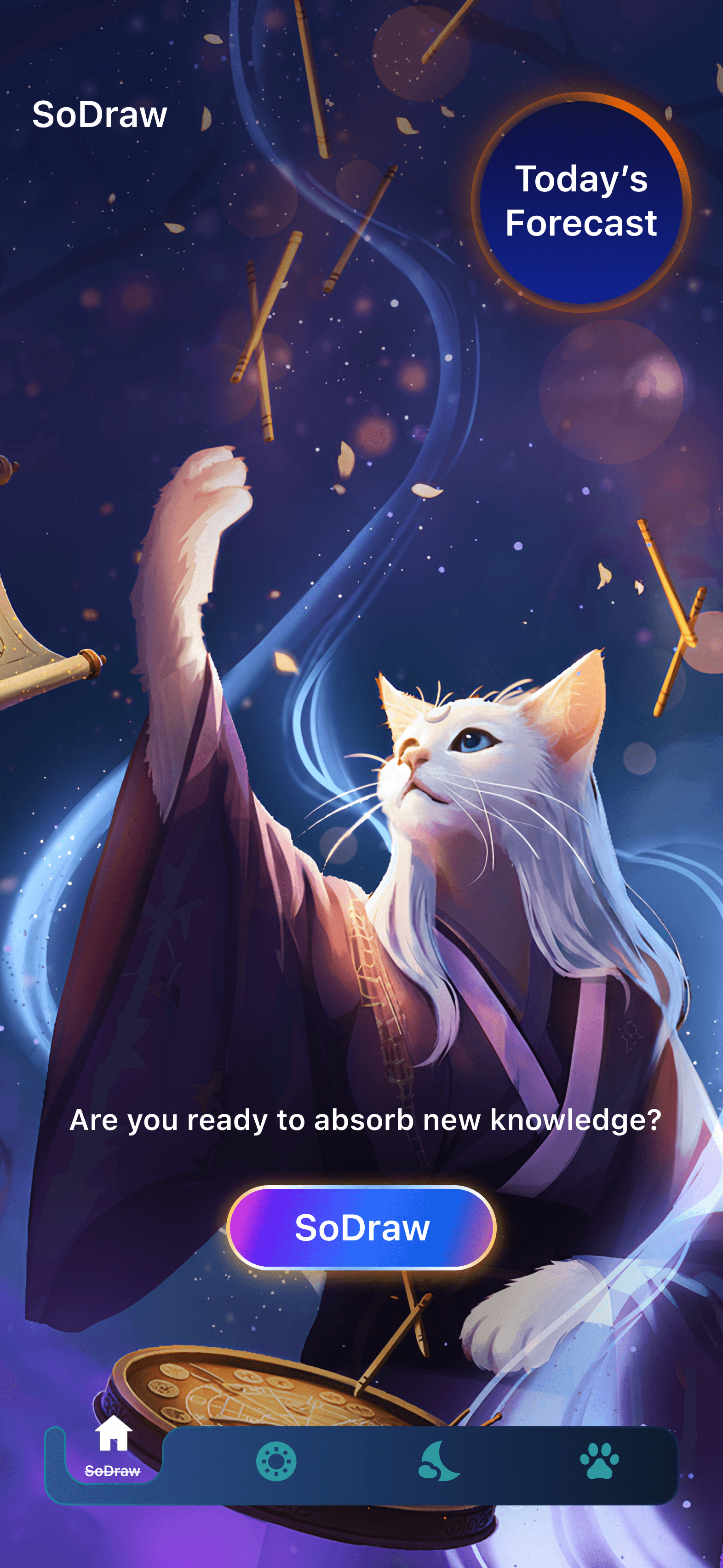
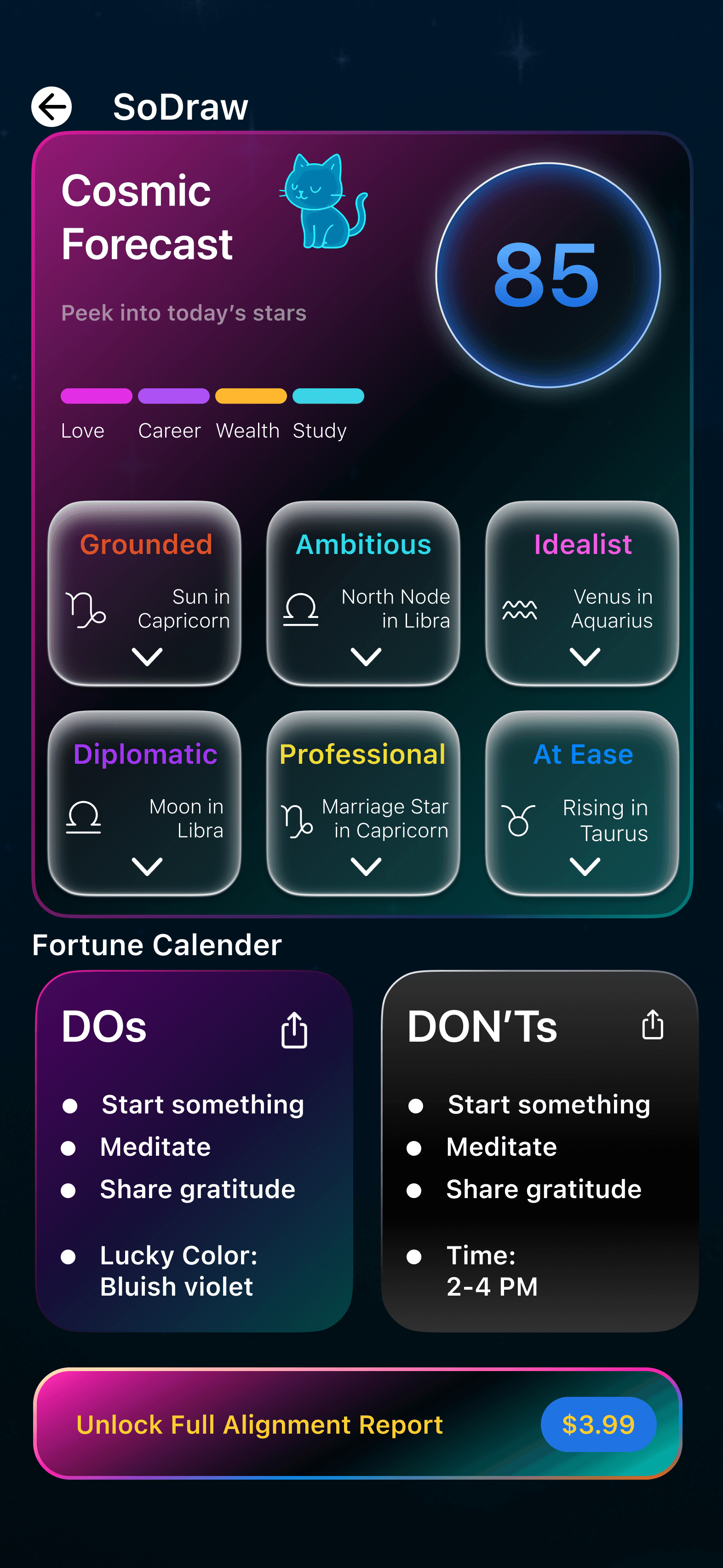
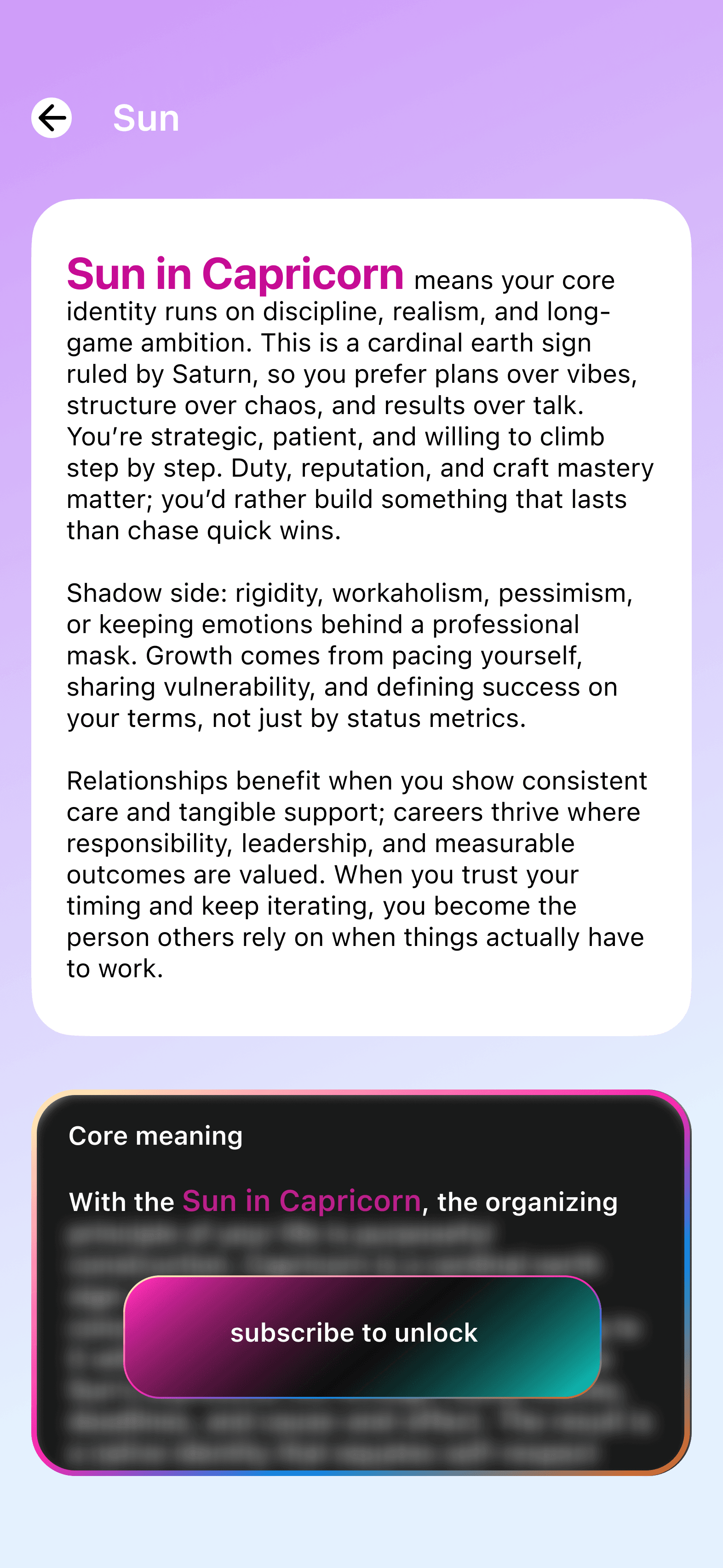
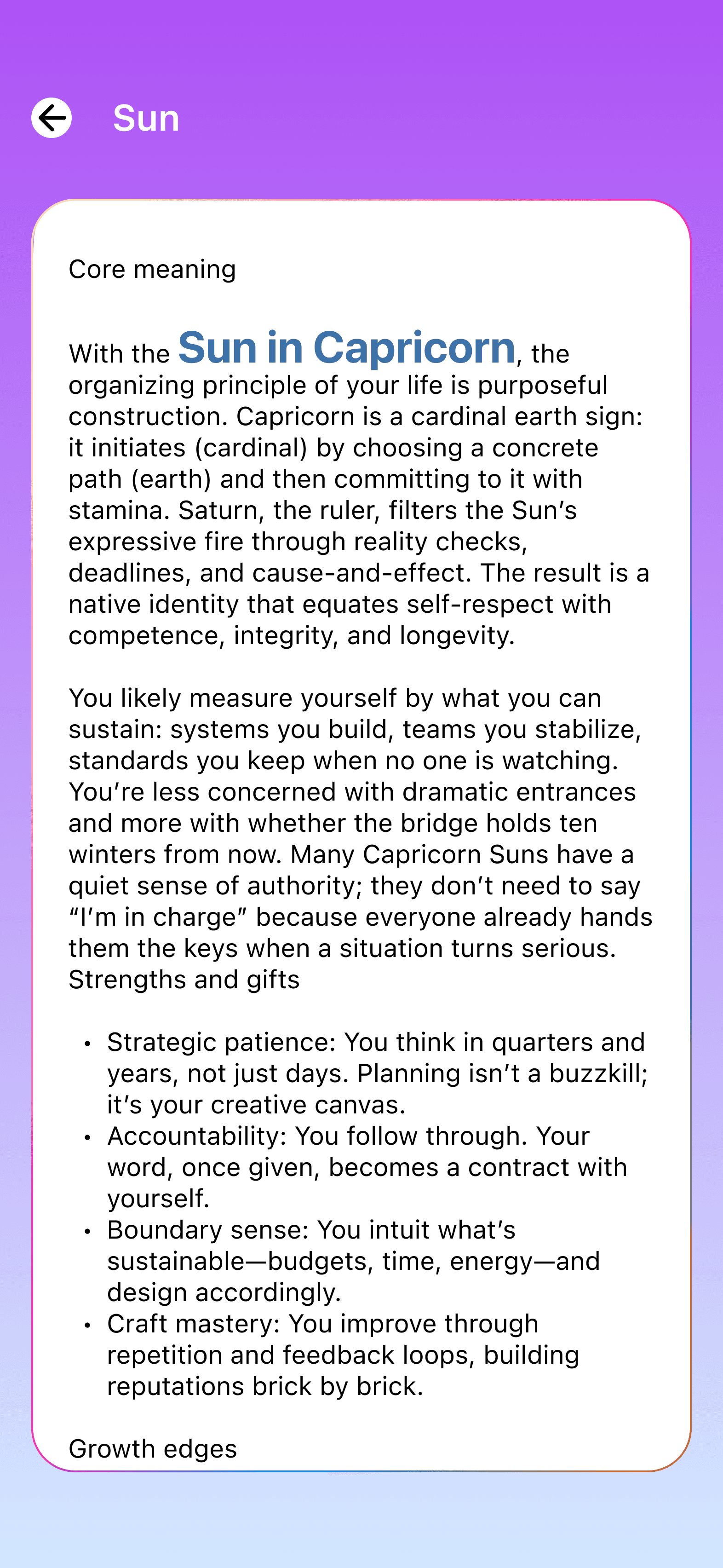


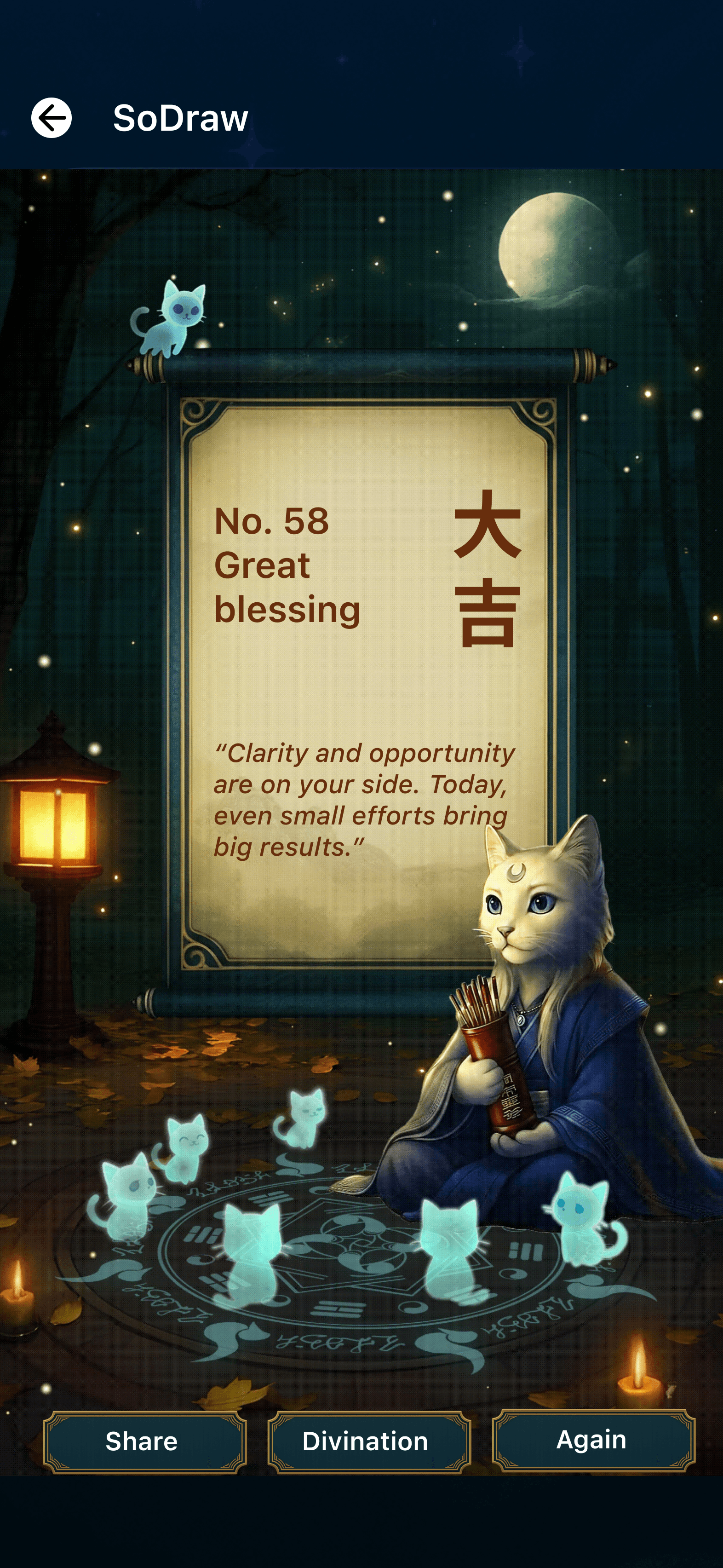
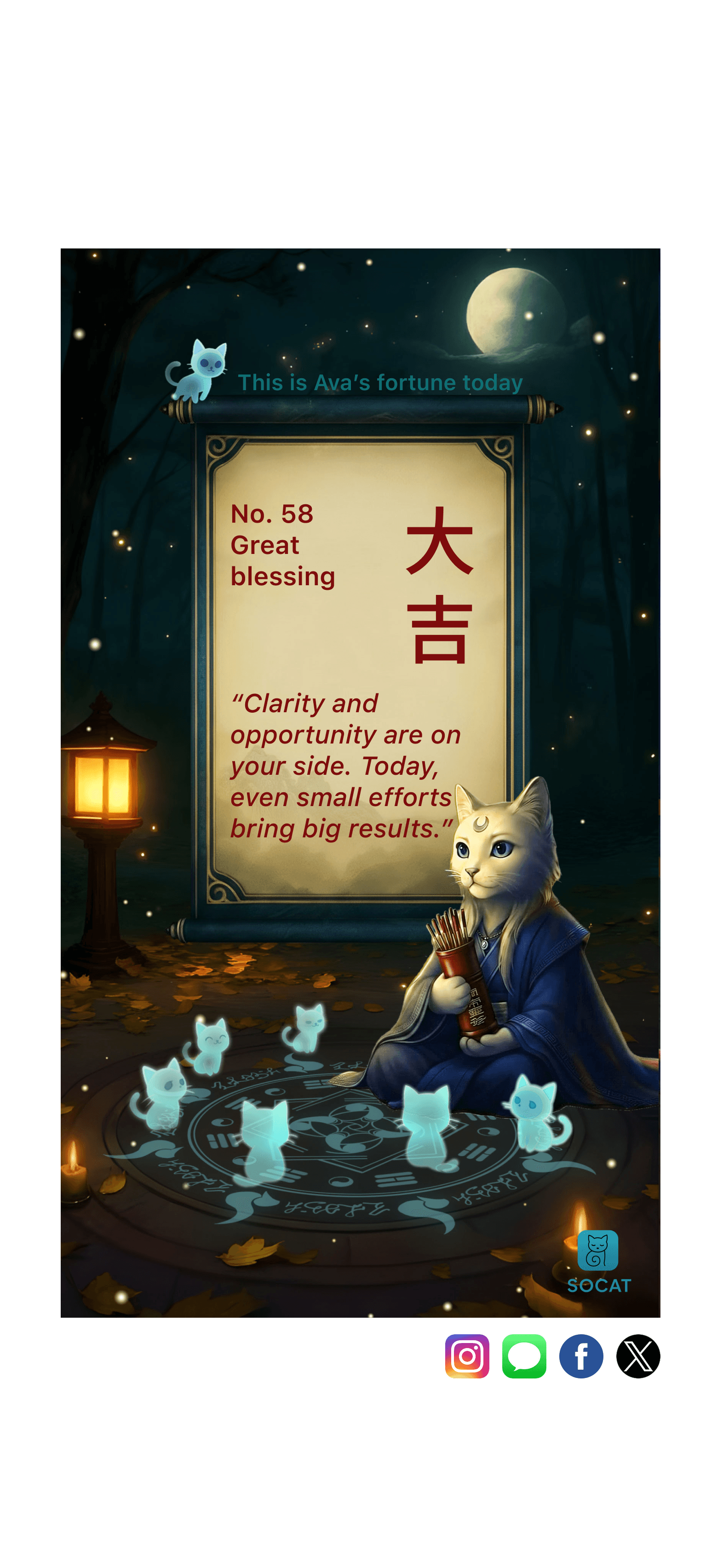
Early explorations centered on surfacing as much fortune information as possible on the home screen. While this increased the visibility of features, it diluted the ritual-like entry moment and created competing focal points.
Through internal reviews and testing, we realized users were not entering the experience with a clear emotional anchor. The home screen needed to function less as a dashboard and more as a threshold.
Early explorations centered on surfacing as much fortune information as possible on the home screen. While this increased the visibility of features, it diluted the ritual-like entry moment and created competing focal points.
Through internal reviews and testing, we realized users were not entering the experience with a clear emotional anchor. The home screen needed to function less as a dashboard and more as a threshold.
earlier version
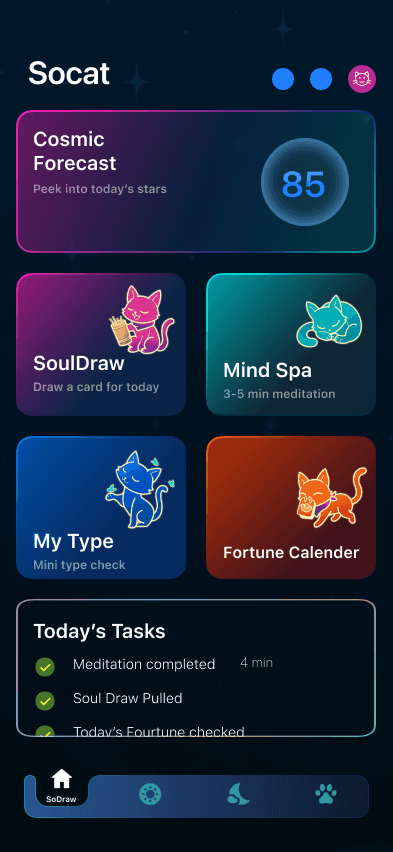
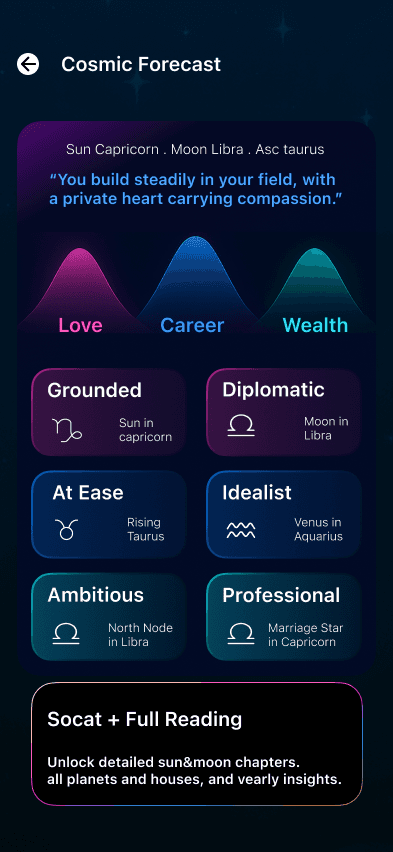
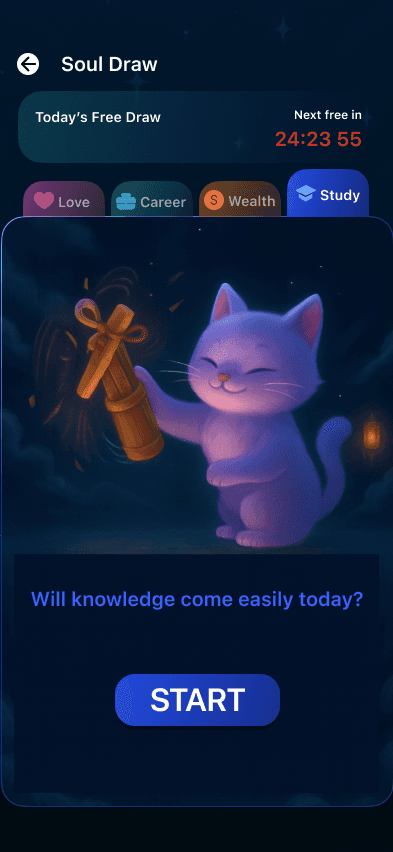
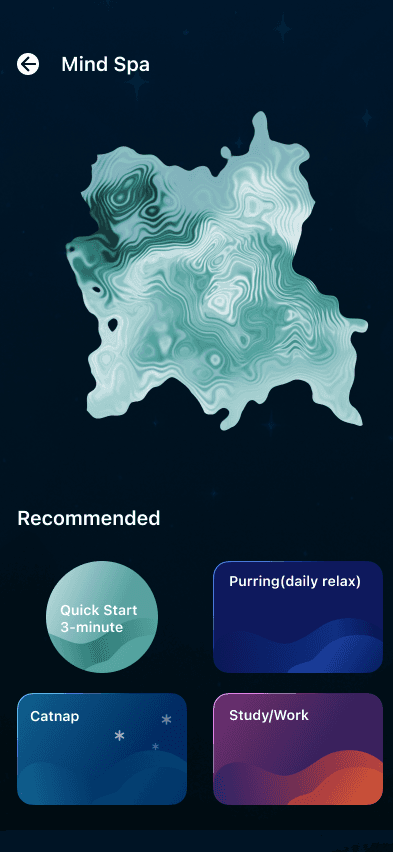

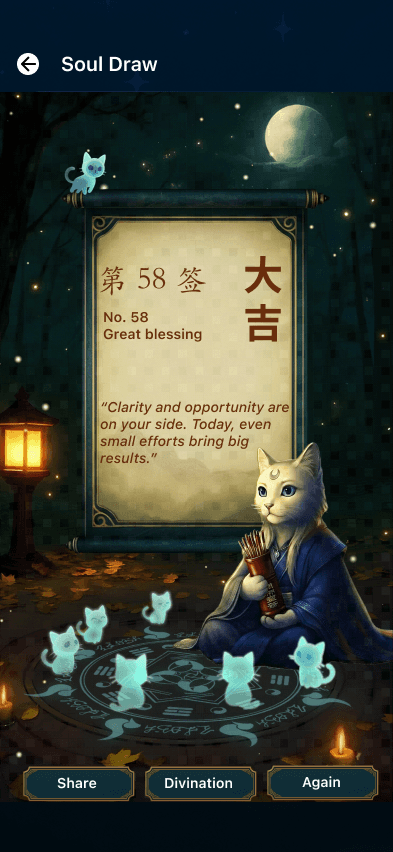
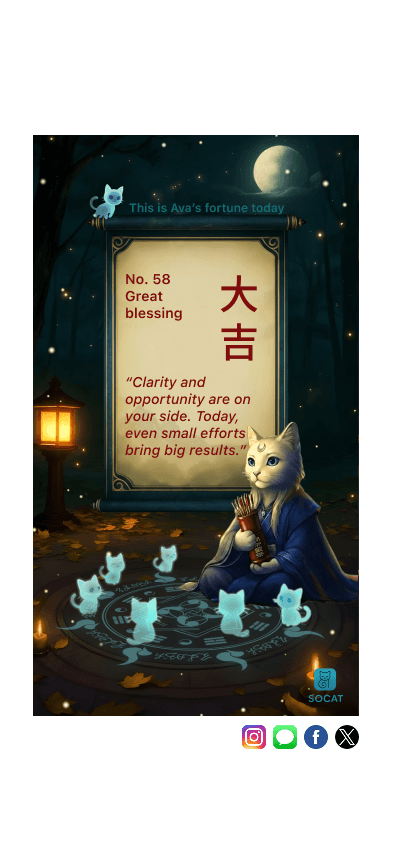
Key Changes
Reduced simultaneous information density
Established a dominant focal point
Clarified call-to-action hierarchy
Balanced narrative and functional elements
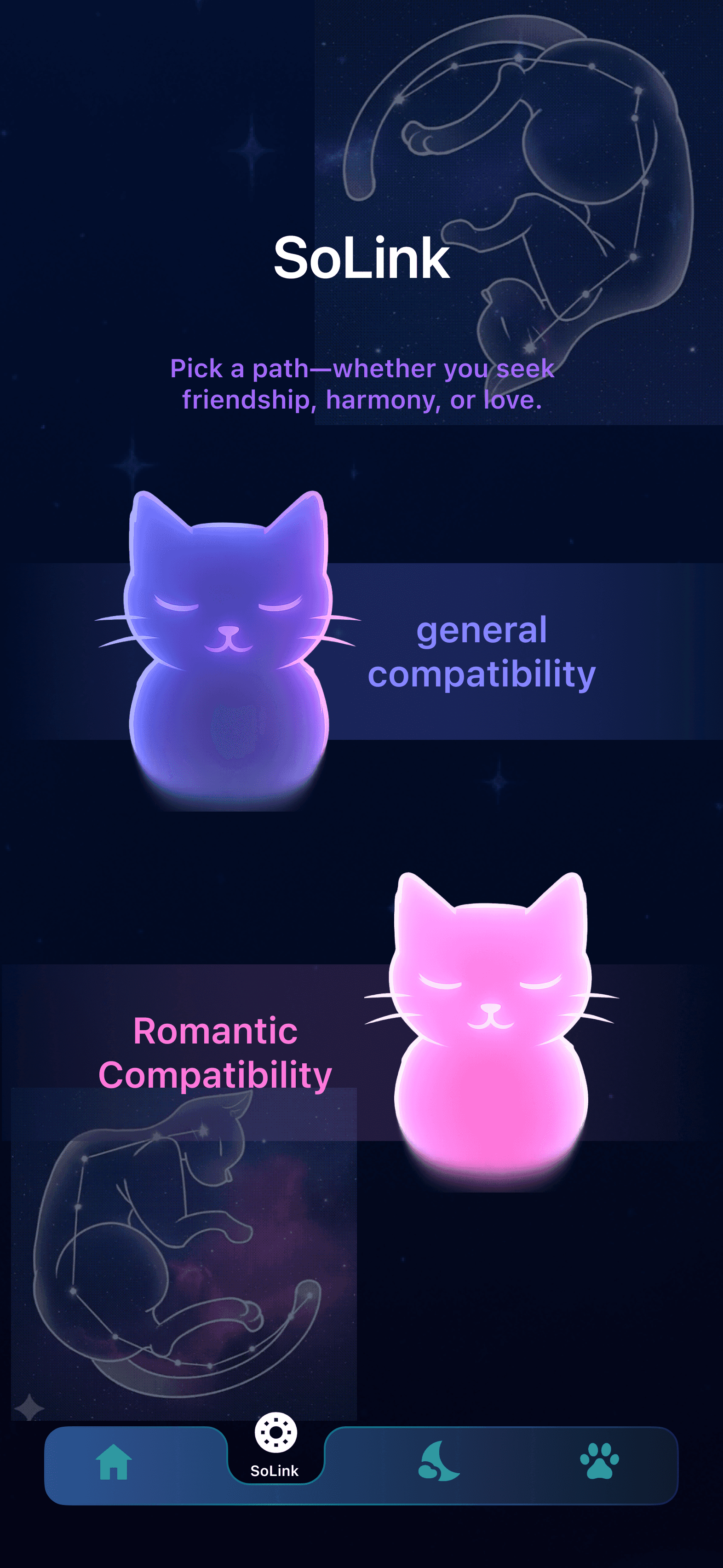
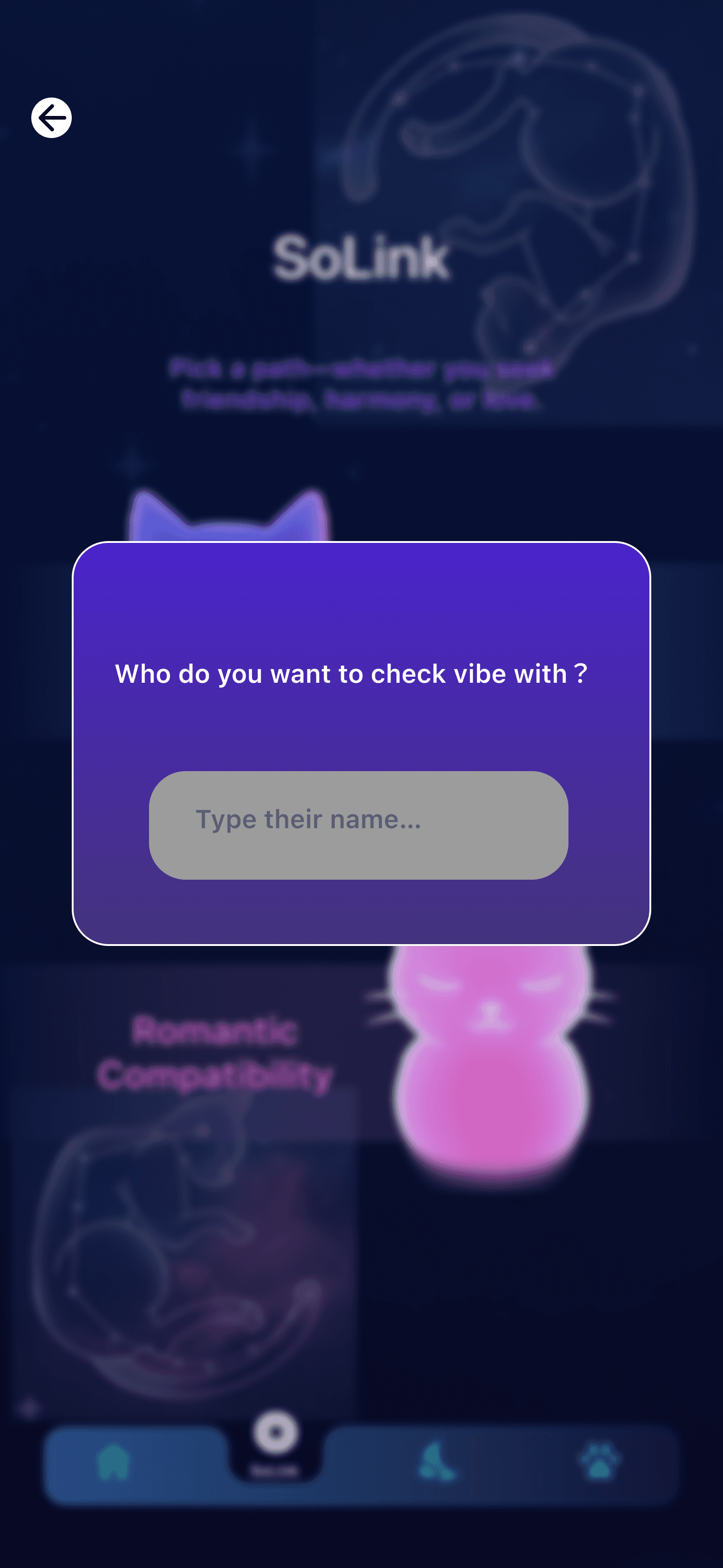
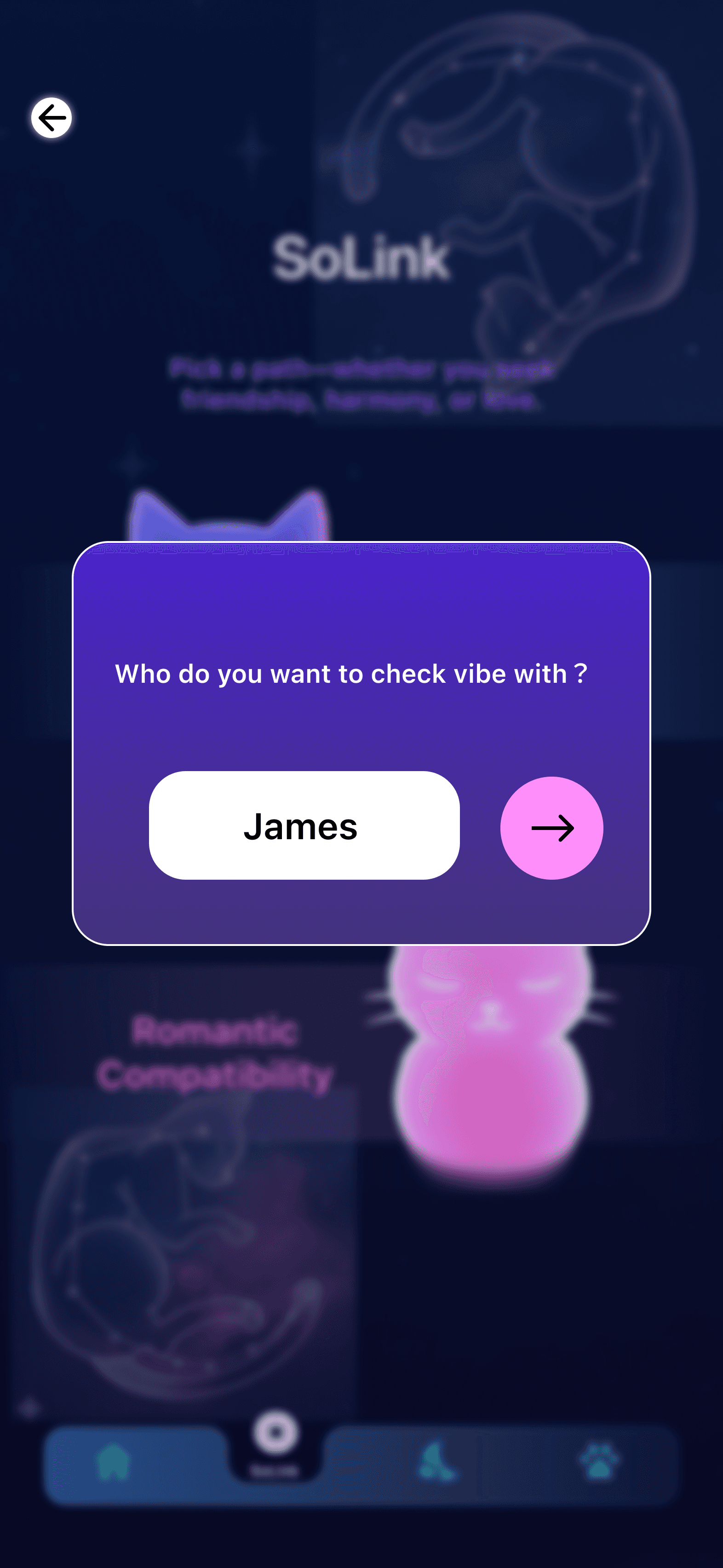
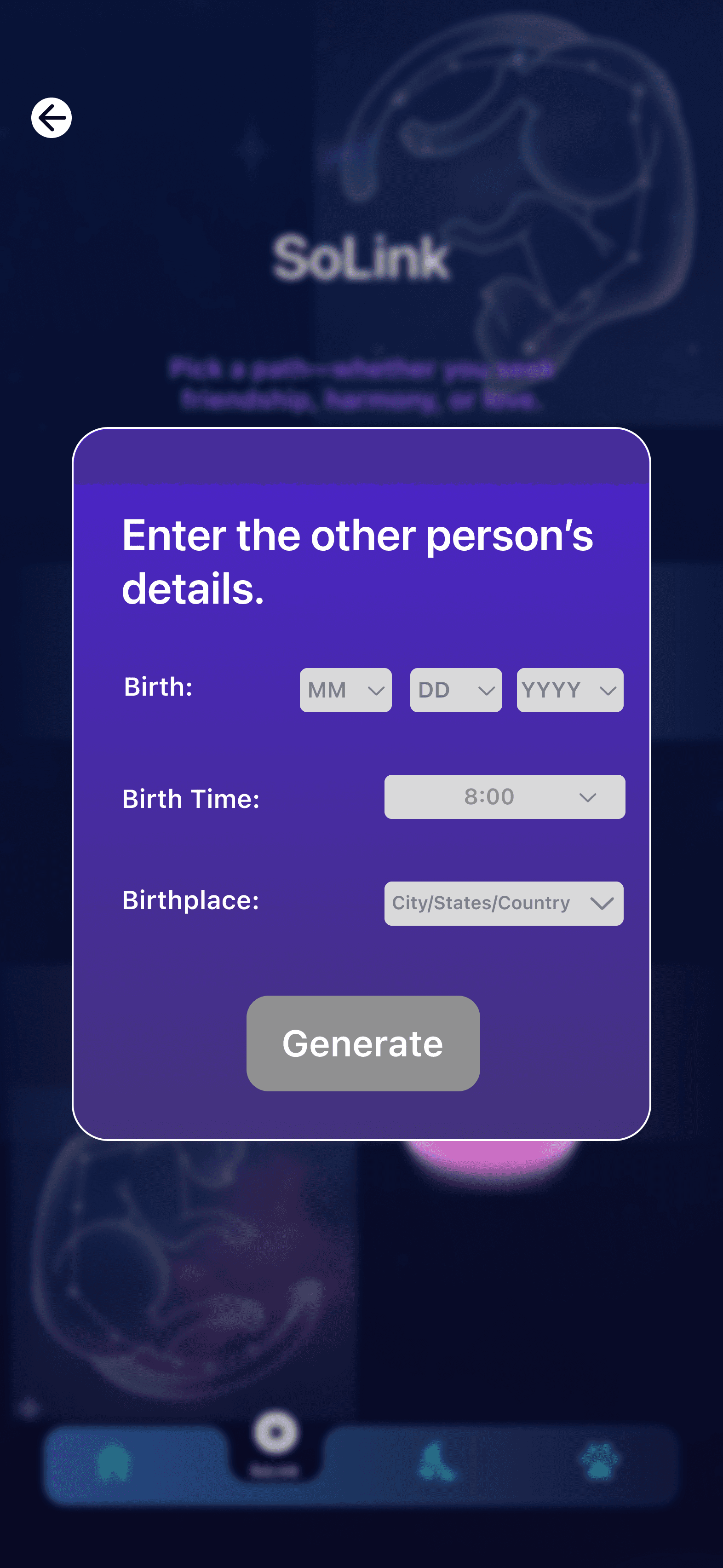
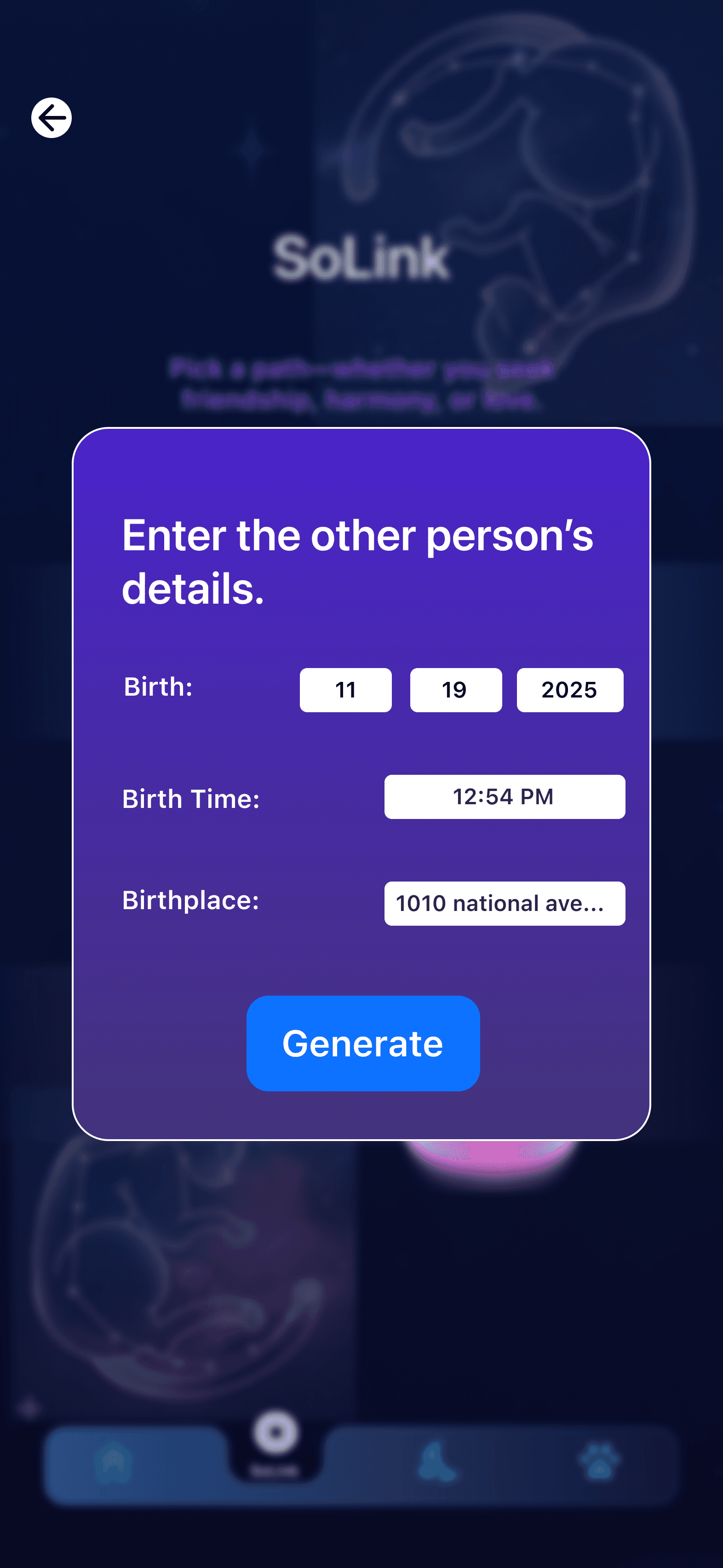
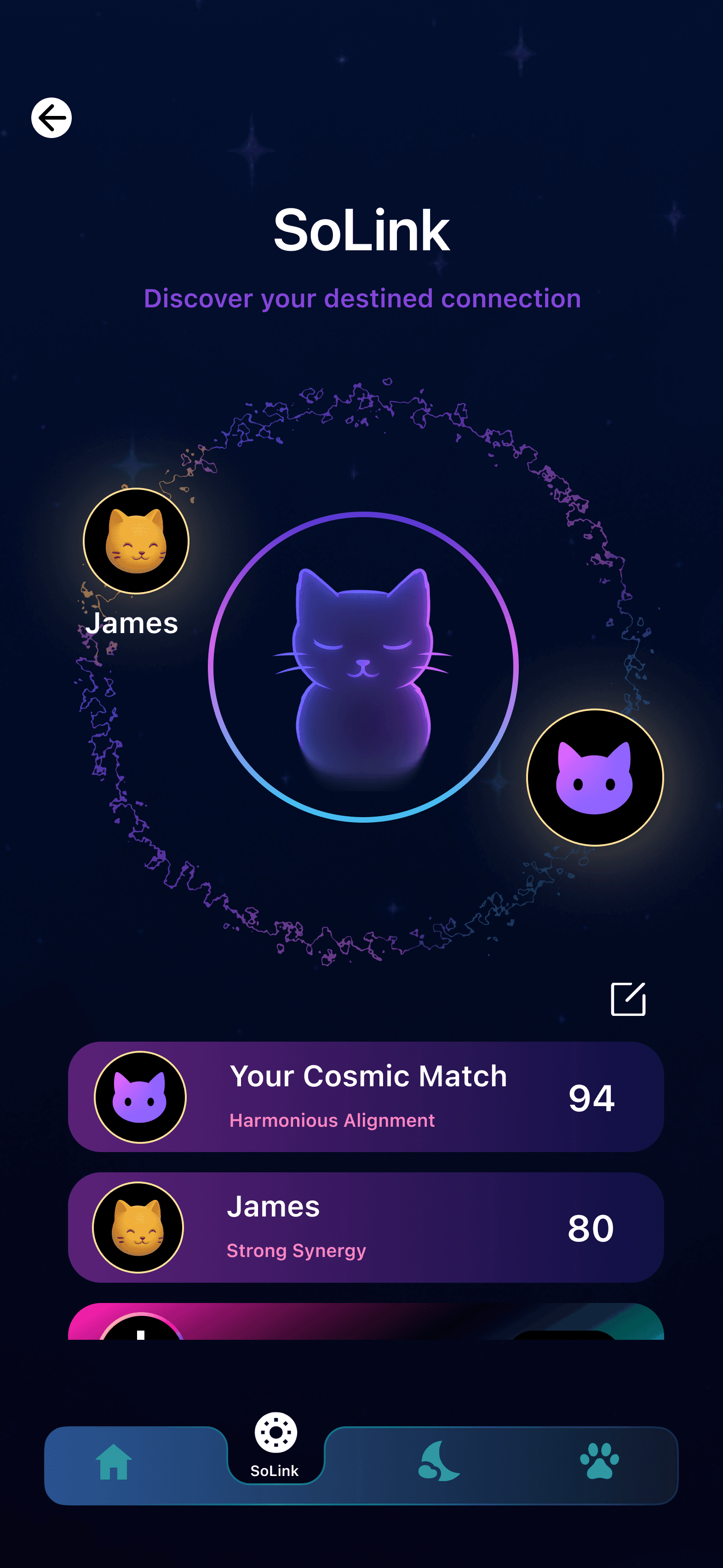
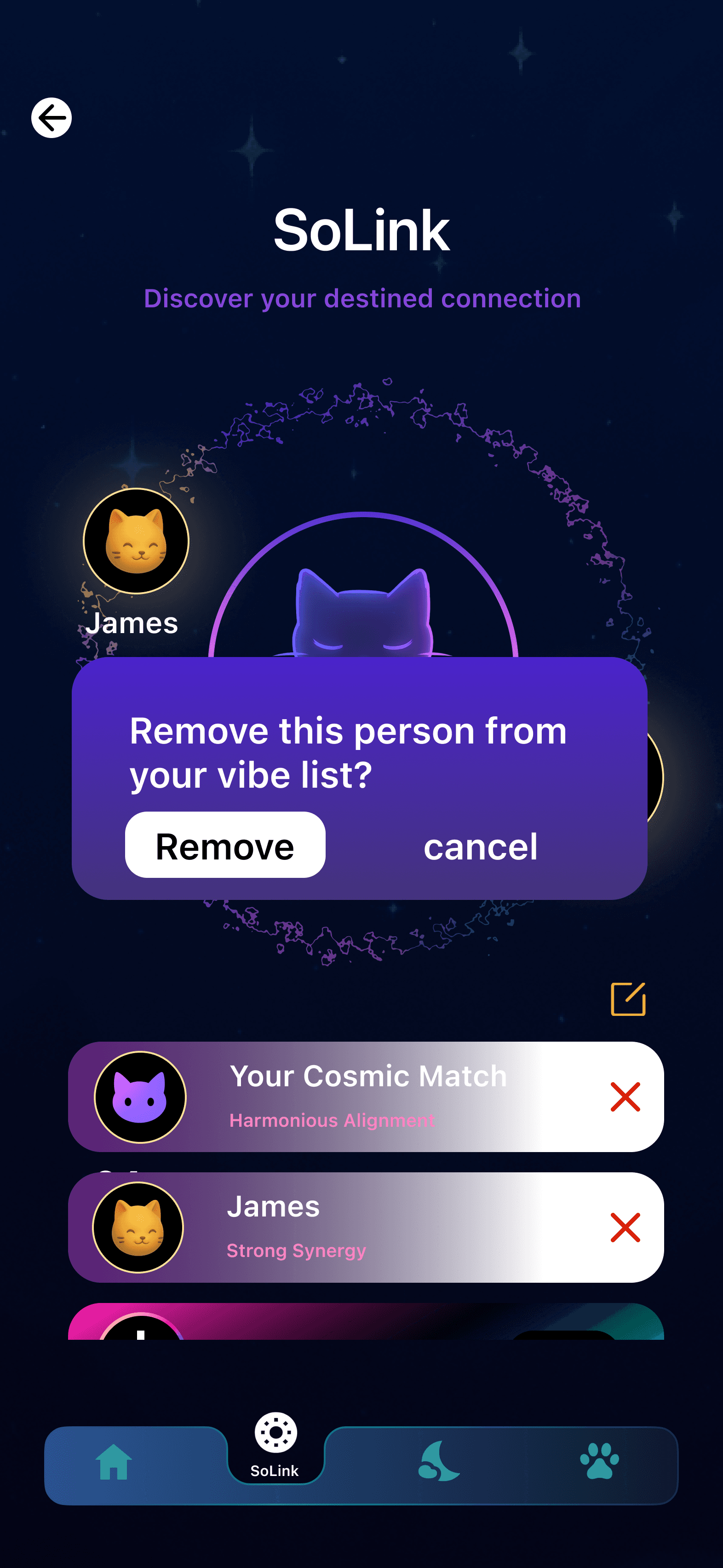
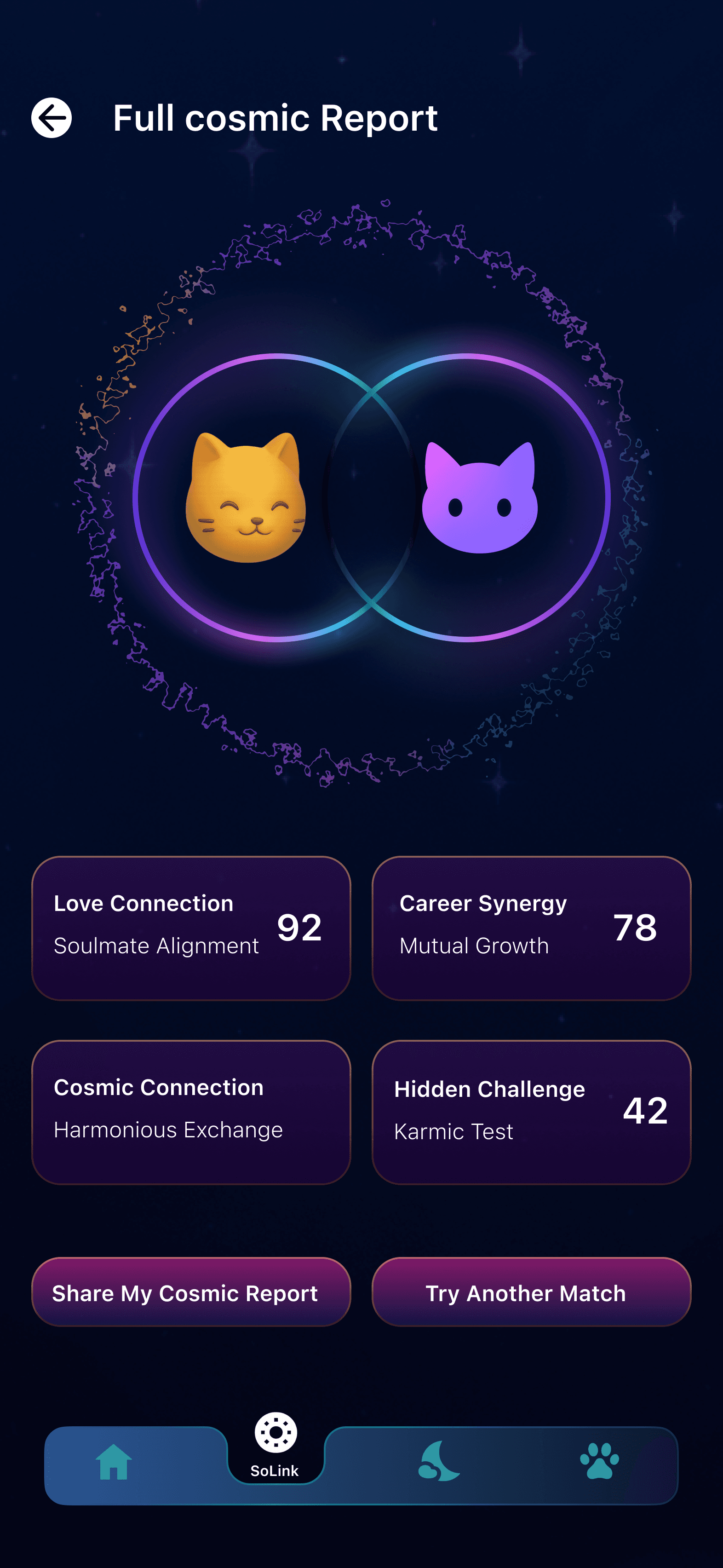
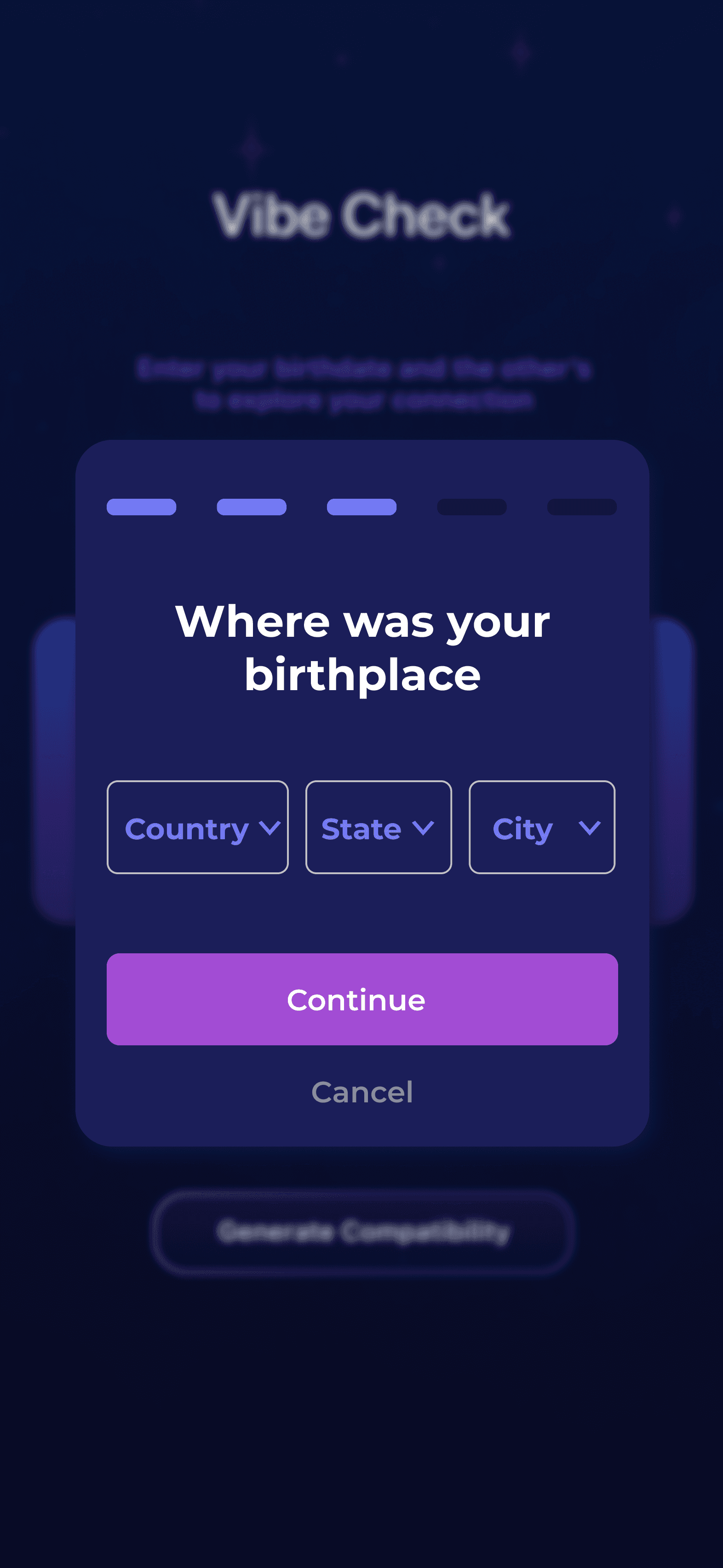
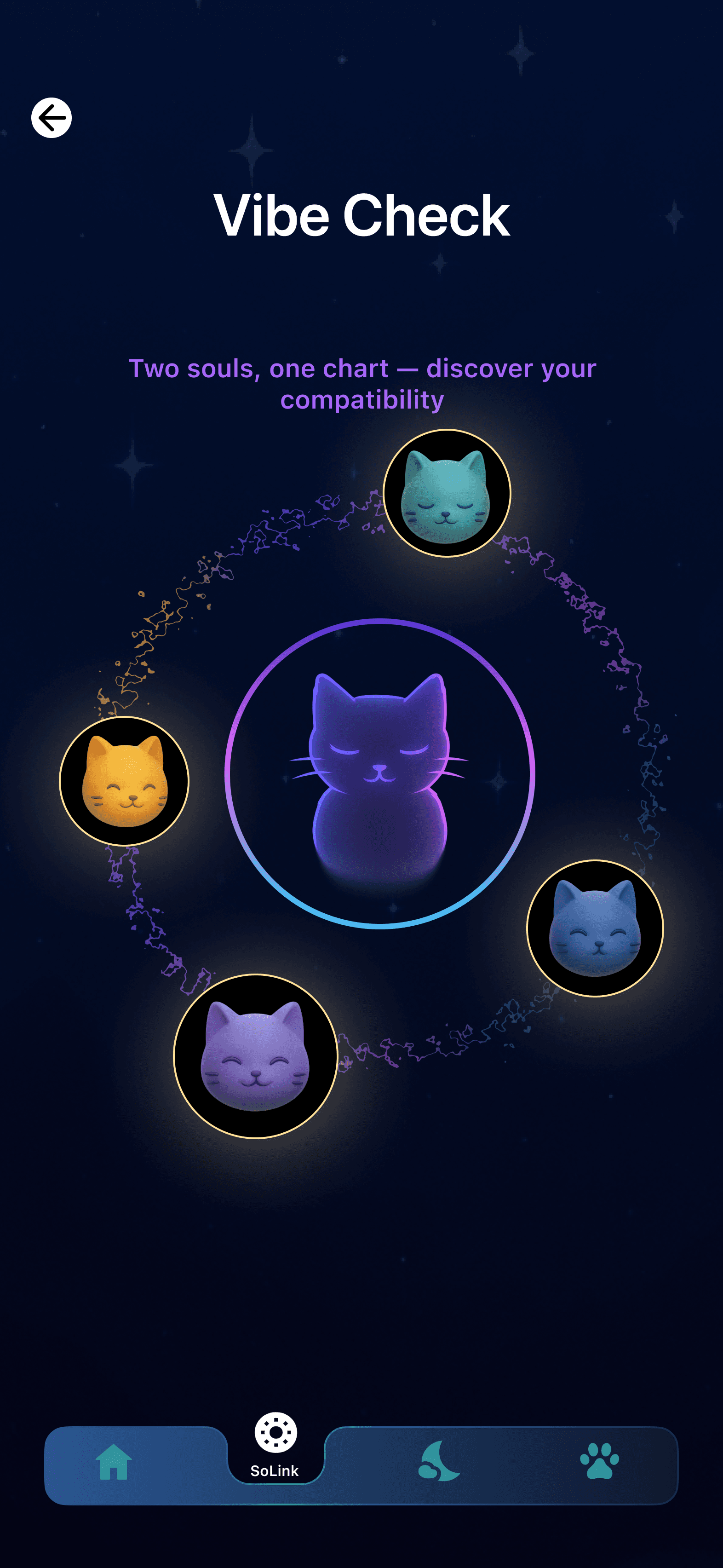
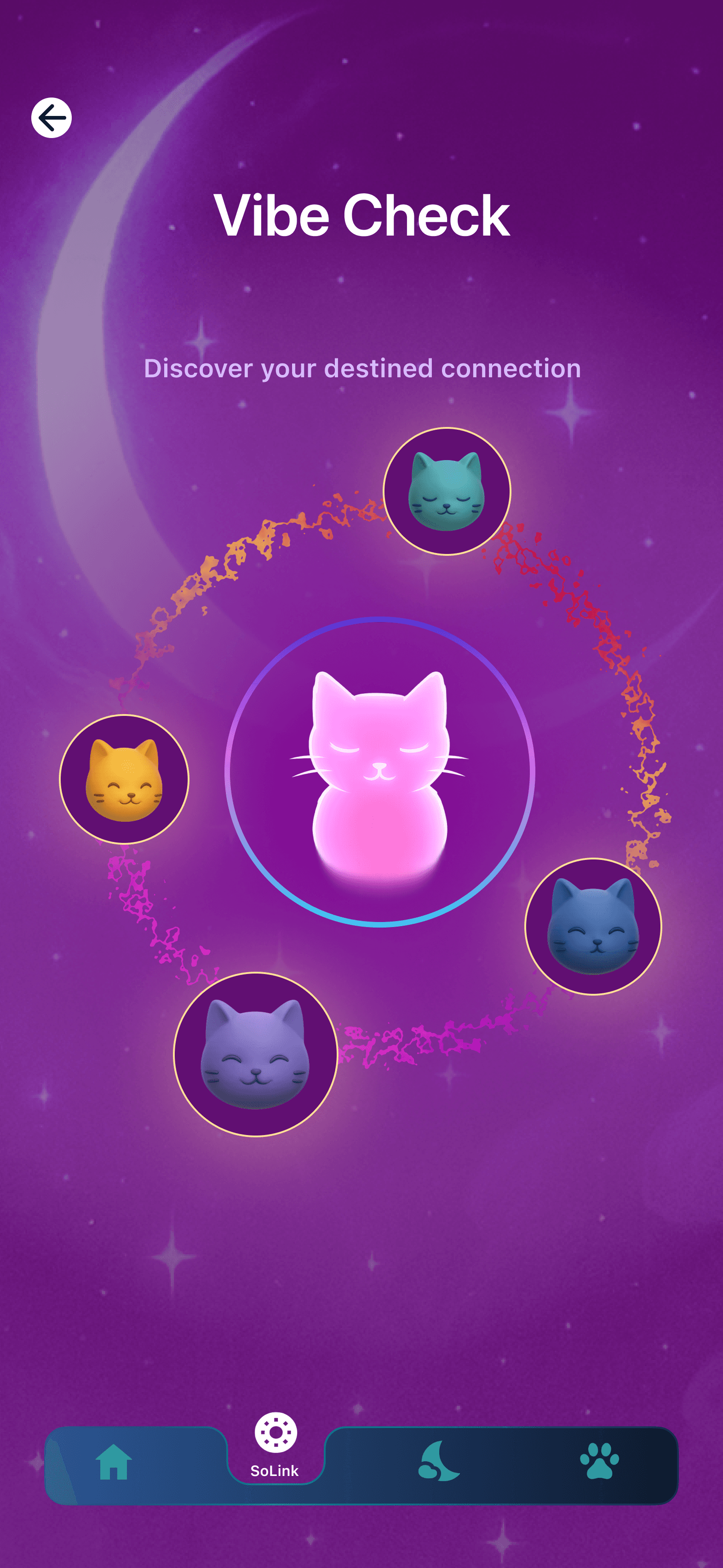
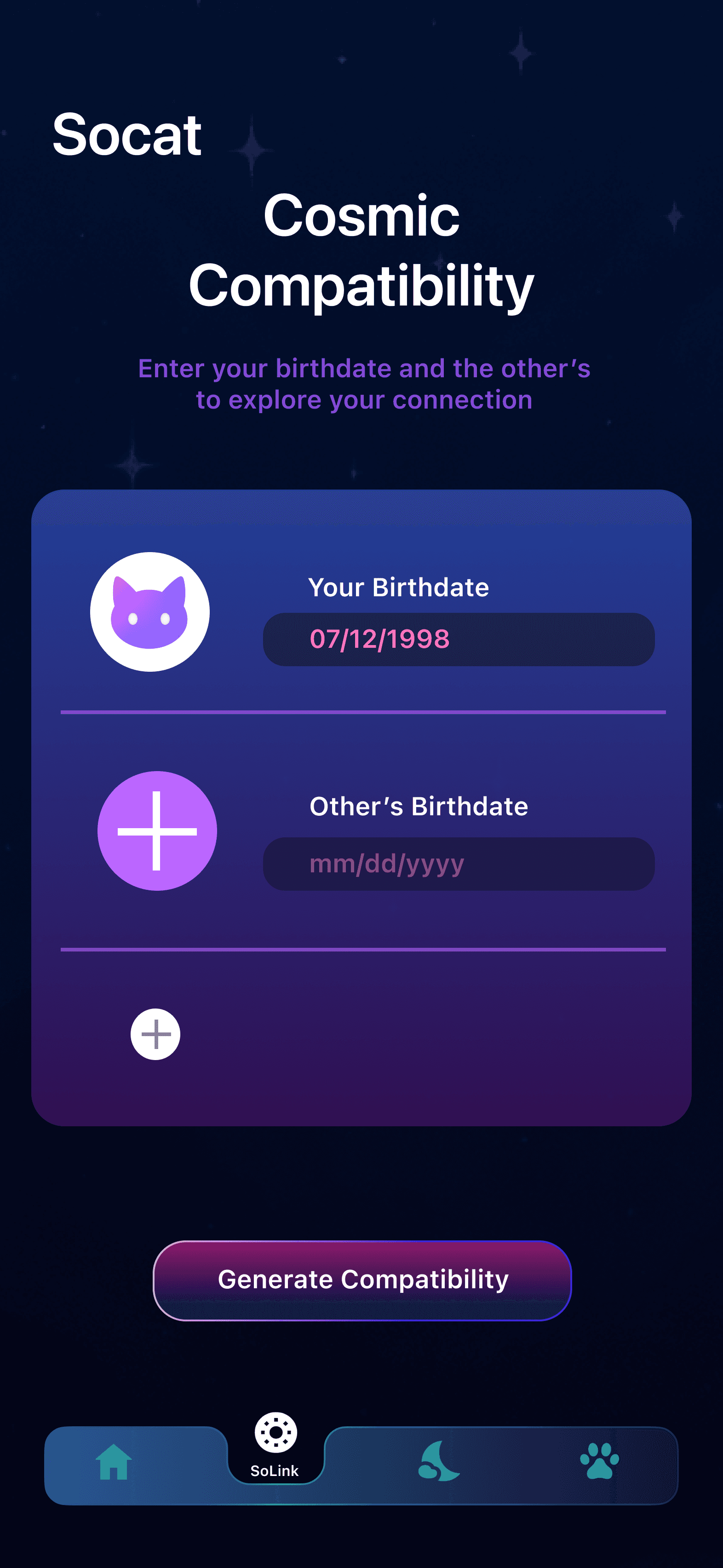
The divination feature requires users to provide personal information in order to generate a customized reading. This raised two core design challenges: ensuring legal clarity around data collection, and minimizing cognitive burden during input.
Early explorations focused on capturing all relevant inputs upfront to maximize reading accuracy.
The divination feature requires users to provide personal information in order to generate a customized reading. This raised two core design challenges: ensuring legal clarity around data collection, and minimizing cognitive burden during input.
Early explorations focused on capturing all relevant inputs upfront to maximize reading accuracy.
earlier version
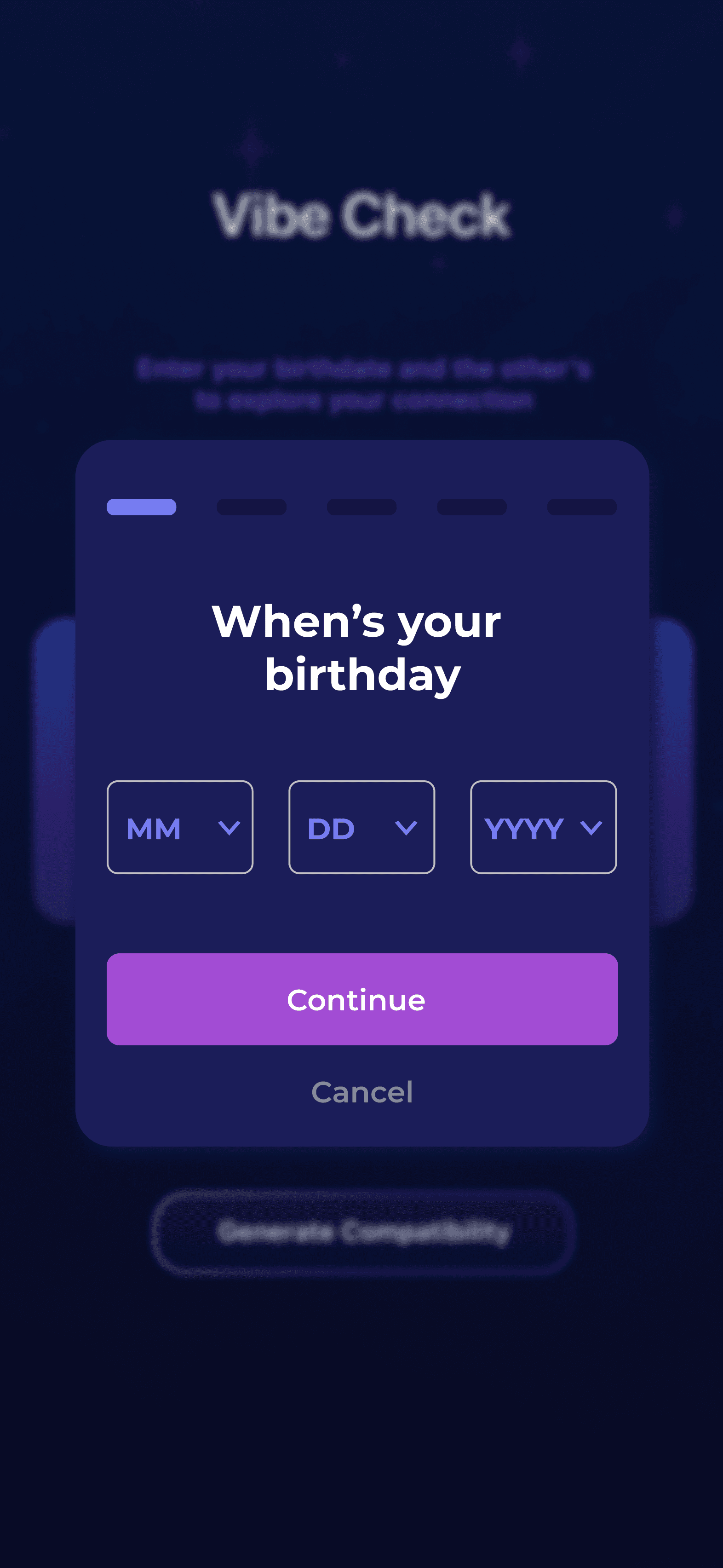
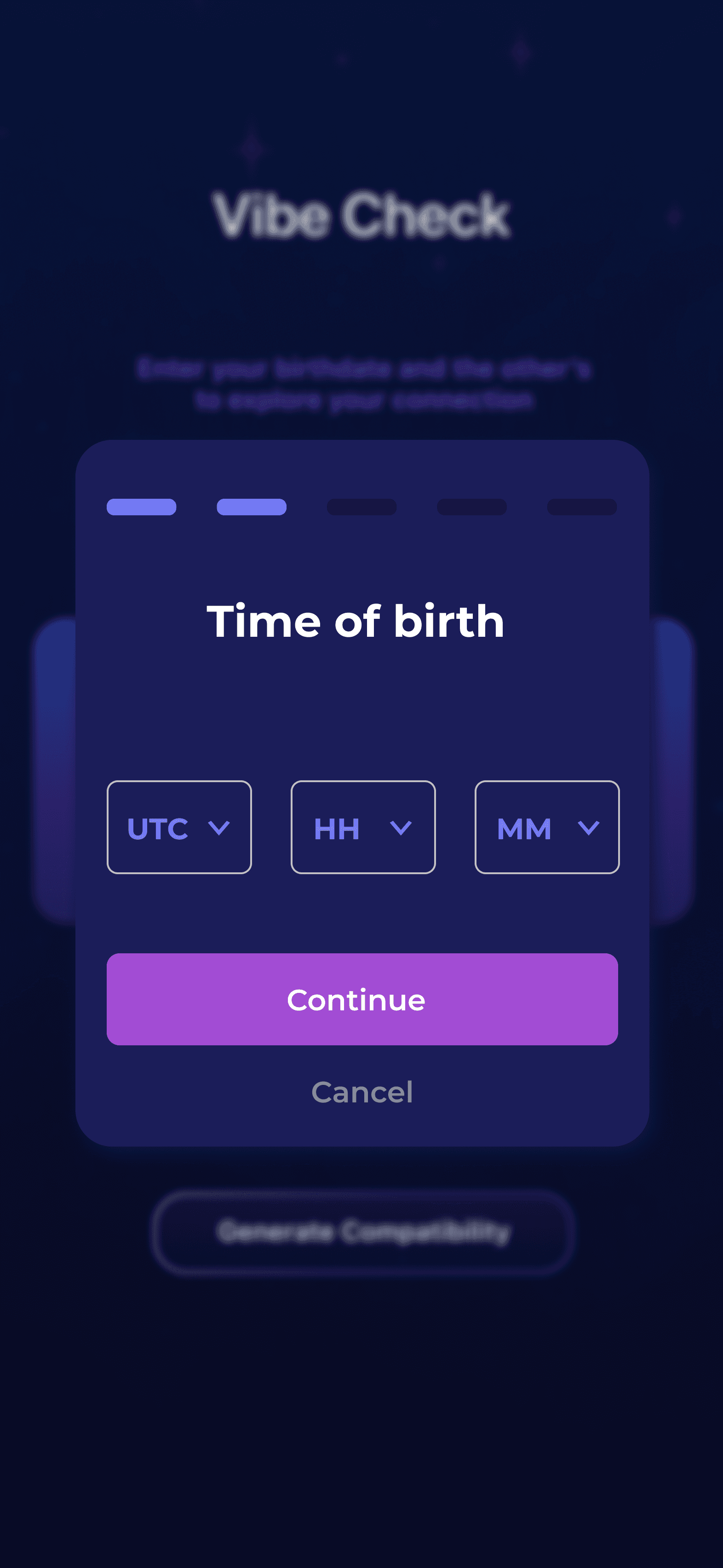


Key Improvements
Reduced required fields to essential divination variables
Converted open-ended inputs into structured selections where possible
Introduced progressive disclosure to avoid overwhelming users
Repositioned legal consent into a clearer but less disruptive hierarchy
Key Improvements
Reduced required fields to essential divination variables
Converted open-ended inputs into structured selections where possible
Introduced progressive disclosure to avoid overwhelming users
Repositioned legal consent into a clearer but less disruptive hierarchy
Challenge(s)
This project explored how narrative, structure, and interaction design can coexist. By balancing ritual and usability, the interface became not just a tool for prediction, but a space for reflection.
This project explored how narrative, structure, and interaction design can coexist. By balancing ritual and usability, the interface became not just a tool for prediction, but a space for reflection.